
What to Expect During a HIFU Session: A Step-by-Step Overview
Updated: Jan 5
For individuals considering non-invasive aesthetic treatments, understanding what happens during a procedure is an important part of making an informed decision. High-Intensity Focused Ultrasound (HIFU) is commonly explored as an option to support skin firmness with minimal disruption to daily activities.
This article provides a clear, step-by-step overview of what typically takes place during a HIFU session, from consultation to post-treatment expectations.

Step 1: Medical Consultation and Assessment
Before undergoing HIFU, a medical consultation is required. During this session, the practitioner will:
Review your medical history
Assess your skin condition and areas of concern
Discuss your expectations and treatment goals
Determine whether HIFU is suitable for you
This step is essential to ensure safety and to establish an appropriate treatment plan.
Step 2: Treatment Preparation
On the day of the procedure:
The treatment area is thoroughly cleansed
A topical anaesthetic (numbing cream) may be applied, where appropriate, to help minimise discomfort
An ultrasound gel is applied to facilitate energy transmission
Treatment settings are selected based on the target area and individual needs
No incisions or injections are involved.
Step 3: Delivery of Focused Ultrasound Energy
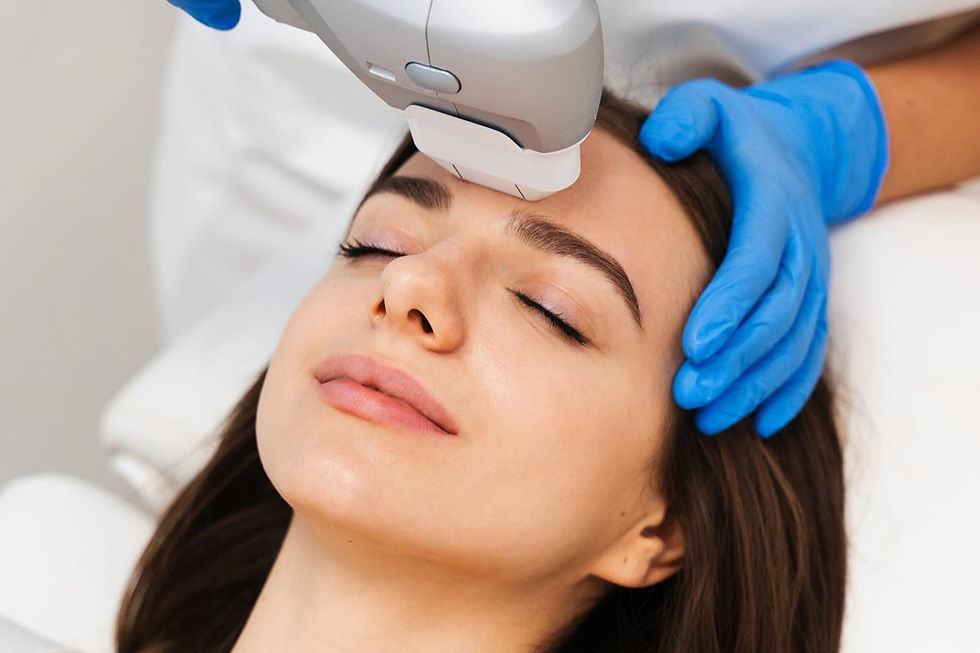
The HIFU device delivers focused ultrasound energy to specific depths beneath the skin. The practitioner:
Moves the device methodically across the treatment area
Adjusts energy levels and depths as needed
Monitors comfort throughout the session
The ultrasound energy creates controlled thermal points that may help stimulate natural collagen production.
Step 4: Sensations During Treatment
Individuals commonly report sensations such as:
Warmth
Mild tingling
A brief sensation of pressure
Comfort levels vary, and practitioners may adjust settings where appropriate to maintain tolerance.
Step 5: Duration of a HIFU Session
The length of a HIFU session depends on the areas being treated:
Smaller areas (e.g. brow or jawline): approximately 30–45 minutes
Full face or face and neck: up to 90 minutes
Your practitioner will advise on the expected duration during consultation.
Step 6: After the Treatment Session
Once the session is completed:
The ultrasound gel is removed
No special dressings are required
Most individuals are able to resume daily activities immediately
Some may experience temporary redness, mild swelling, or tenderness, which usually resolves on its own.
What Happens in the Weeks After HIFU?
HIFU works by supporting the skin’s natural regenerative processes. As collagen formation takes time:
Changes are typically gradual
Improvements may become noticeable over several weeks to months
Individual responses vary
Your practitioner may recommend follow-up assessments depending on your treatment plan.
Is There Any Downtime After HIFU?
Most individuals do not require downtime after HIFU. However:
Temporary sensitivity may occur
Normal skincare routines can usually be resumed shortly after
Specific aftercare advice may be provided during consultation
When Should You Contact the Clinic?
You should contact the clinic if you experience:
Persistent discomfort
Unusual skin reactions
Concerns following treatment
Your medical team is best placed to advise on post-treatment care.
Conclusion
A HIFU session is a non-invasive procedure that involves focused ultrasound energy delivered to targeted skin layers. From consultation to post-treatment, each step is designed to prioritise safety and individual suitability.
If you are considering HIFU and would like to understand whether it aligns with your skin concerns, a medical consultation at Rael Medical & Aesthetics Clinic can provide personalised guidance.


Comments