
HIFU vs Other Non-Invasive Options: What’s the Difference?
When exploring non-invasive aesthetic treatments, individuals may come across various technologies such as High-Intensity Focused Ultrasound (HIFU), radiofrequency (RF), and laser-based treatments. Each technology works differently and may be suitable for different skin concerns.
This article provides a neutral comparison of these non-invasive options to help individuals better understand how they differ, without positioning one treatment as superior to another.

Understanding Non-Invasive Aesthetic Technologies
Non-invasive treatments are designed to target skin concerns without surgery, incisions, or injections. While they may share similar goals - such as supporting skin firmness or texture - the way each technology works varies.
A medical consultation is required to determine which approach may be appropriate for an individual.
How Does HIFU Work?
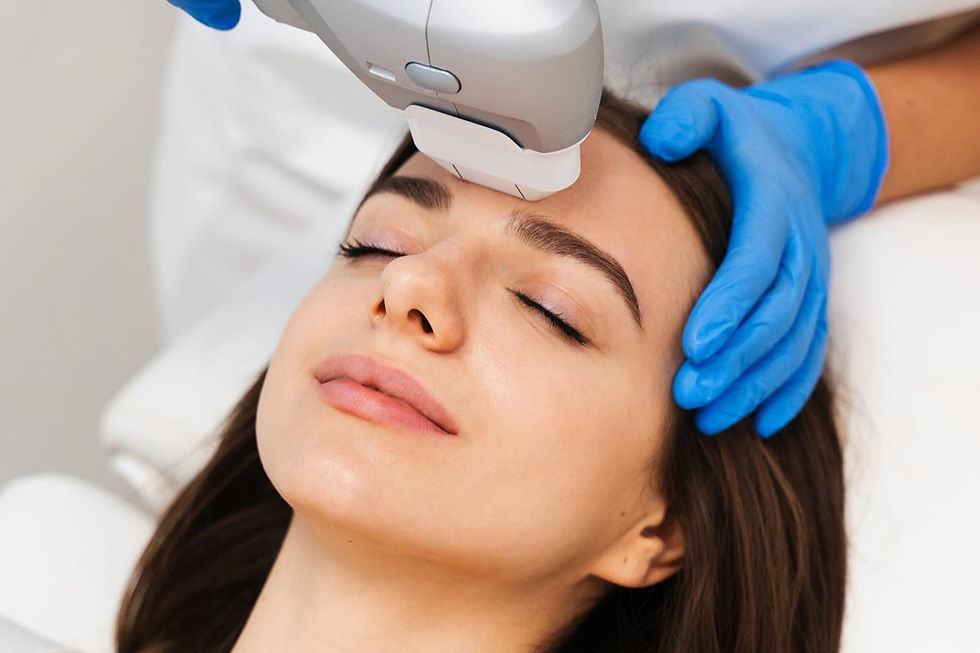
HIFU uses focused ultrasound energy to target specific layers beneath the skin’s surface. The energy creates controlled thermal points at predetermined depths, which may help stimulate the body’s natural collagen production process over time.
HIFU is commonly explored for areas such as the jawline, lower face, neck, and brow.
How Do Radiofrequency (RF) Treatments Work?
Radiofrequency treatments use electrical energy to generate heat within the dermal layers of the skin. This heat may help support collagen activity and improve skin firmness.
RF-based treatments are often used for:
Skin tightening
Improving skin texture
Larger surface areas
The depth of energy penetration differs from ultrasound-based technologies.
How Do Laser-Based Treatments Work?
Laser treatments use light energy to target specific skin layers. Depending on the type of laser, they may address concerns such as:
Skin tone and texture
Pigmentation
Fine lines
Some laser treatments focus on surface layers, while others reach deeper tissues. Downtime varies depending on the laser technology used.
Different Technologies, Different Treatment Goals
Each technology may be considered for different goals:
HIFU: Often explored for supporting deeper structural firmness
RF: Commonly considered for overall skin tightening and texture
Laser: Frequently used for surface-level skin concerns
These technologies are not interchangeable, and suitability depends on individual skin condition and concerns.
Is One Non-Invasive Treatment Better Than Another?
There is no single treatment that is “best” for everyone. Each technology has its own indications, limitations, and considerations.
A medical consultation allows the practitioner to:
Assess skin condition
Understand treatment goals
Recommend a suitable approach or combination of treatments
Can These Treatments Be Combined?
In some cases, practitioners may recommend combining different non-invasive treatments as part of a personalised treatment plan. This is determined on a case-by-case basis and requires professional assessment.
Why a Medical Consultation Is Essential
Because these technologies work differently and target different skin layers, professional assessment is essential to:
Ensure safety
Avoid inappropriate treatment selection
Align expectations with realistic outcomes
Conclusion
HIFU, radiofrequency, and laser-based treatments are different non-invasive approaches designed to address varying skin concerns. Understanding how each technology works can help individuals make informed decisions, but suitability should always be determined through a medical consultation.
If you are unsure which treatment option is appropriate for you, the medical team at Rael Medical & Aesthetics Clinic can provide personalised guidance based on your skin condition and goals.


Comments